Born in the suburbs of Maputo (formerly Lourenço Marques) during the 1930s and 1940s, Marrabenta is considered Mozambique's national dance rhythm. The word derives from the Portuguese rebentar ("to break"), a nod to the immense energy of the dancers who dance with enough vigor to "break" emotional limits.
The Style: It is a fluid, celebratory partner or group dance that mixes traditional rhythm structures with Portuguese folk and Western pop influences. It features rapid hip movements, syncopated footwork, and immense improvisational freedom.
MusicThe music is driven by acoustic or electric guitars, brass horn sections, and driving percussion. Legends like Dilon Djindji and Wazimbo popularized the genre globally.
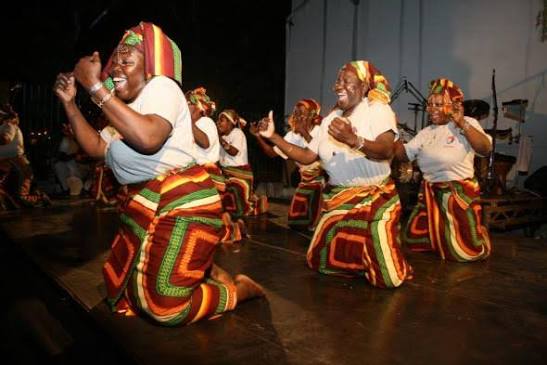
Watch the video carefully to learn how Tufo is performed. Traditionally, dancers may begin by kneeling and moving their shoulders, arms and upper bodies to the rhythm of the drums. In other styles, dancers stand and move their bodies together in coordinated movements.
Listen to the rhythm: Start by listening to the drums and singing to understand the beat. Stand in formation: Position yourself alongside the other dancers, following the group's arrangement. Move your shoulders: Gently move your shoulders in time with the rhythm, keeping your movements controlled. Sway your upper body: Shift your body gently from side to side, following the beat of the music. Coordinate your movements: Watch the other dancers and try to move together as a group. Follow the music: Continue matching your movements to the rhythm and the flow of the song.