The Flow of Marrabenta

Marrabenta Dance Marrabenta

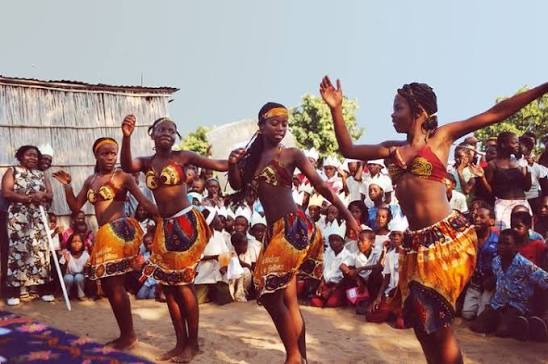
Born in the suburbs of Maputo (formerly Lourenço Marques) during the 1930s and 1940s, Marrabenta is considered Mozambique's national dance rhythm. The word derives from the Portuguese rebentar ("to break"), a nod to the immense energy of the dancers who dance with enough vigor to "break" emotional limits.

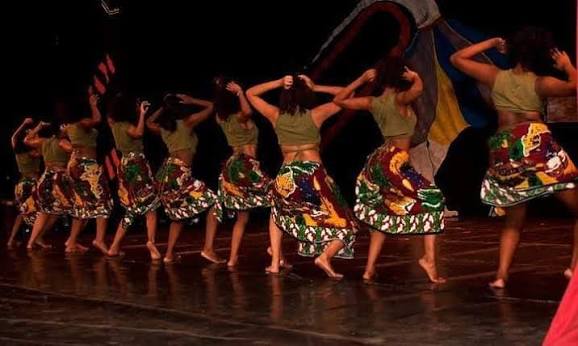
The Style: It is a fluid, celebratory partner or group dance that mixes traditional rhythm structures with Portuguese folk and Western pop influences. It features rapid hip movements, syncopated footwork, and immense improvisational freedom.

MusicThe music is driven by acoustic or electric guitars, brass horn sections, and driving percussion. Legends like Dilon Djindji and Wazimbo popularized the genre globally.

Learn the Dance

Marrabenta is an energetic dance with lively movements. Start by stepping from side to side to the rhythm of the music. Move your hips gently, swing your arms, and gradually increase your pace as the music gets faster.

Dance along to Lorena Nhate’s “Nhoti Dladlalatela.” Start by stepping gently from side to side, moving your hips naturally, and keeping your feet in time with the music. Let your arms move freely as you follow the Marrabenta rhythm. As you become more comfortable, make your steps quicker and your movements more energetic. Practise until you can follow the beat smoothly, and most importantly, enjoy the music and express yourself through the dance!

Dance along to Neyma’s “Amarra Capulana.” Start with gentle steps from side to side, swing your hips naturally, and move your arms to the rhythm. Keep your feet light and your movements relaxed as you follow the beat. As the music becomes livelier, increase your pace and add more energetic steps. Practise until your movements flow naturally with the Marrabenta rhythm, and most importantly, enjoy the dance!